Burton St Leonards Conservation Area . Shelley may have visited and the great painter jw turner is reputed to have walked the hills and appreciated the views and the light in this part of east sussex. Their campaign, backed by various organisations like the civic trust, the georgian group and hastings borough council, resulted in the designation of the conservation area in 1969, by the local authority. Homes for Sale in Boscobel Road North, St. LeonardsonSea TN38 Buy from www.primelocation.com By rod webb after many years of wrangling, archery gardens, the development on the old college site in archery road, st leonards, is. The first church was built early in the thirteenth century. St leonards was founded in 1828 on a deserted stretch of coastline a few miles to the west of hastings.
Are Dogwood Berries Poisonous. The answer is a great yes. There is plenty of variety when it comes to different dogwoods:
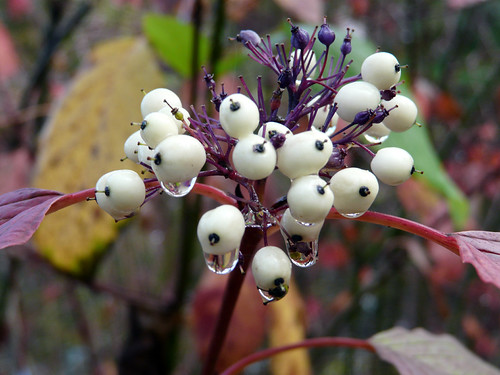
Red Osier Dogwood Berries Edible from jrpst.pl
They are famous for their flowers, berries, and unique bark. Dogwood berries are in toxicity class iii category, meaning, they are slightly toxic for dogs and cats. However, not all dogwoods are the same.
Dogwood Barks, Leaves, Fruits, And Flowers Are Safe.
Dogwood trees are not poisonous to dogs, cats, and other animals. The bark, leaves and roots contain cornin, which is slightly toxic. Dogwood berries are in toxicity class iii category, meaning, they are slightly toxic for dogs and cats.
Unfortunately, The Berries Found On Some Dogwood Variants Are Not Considered Edible, And Some Are Even Regarded As Poisonous.
Do squirrels eat dogwood berries? In the fall, the vine produces red or orange berries. The answer is a great yes.
Some Do And Some Do Not Shed Berries.
The berries are said to be inedible for humans, but not poisonous. Although dogwood berries are not poisonous when eaten, skin contact with this tree is linked with rashes. Because flowering dogwood bears toxic berries, plant this tree with caution in yards where curious children may mistake.
The Species Of Flowering Dogwood Tree Can Be Found In Woodlands And Open Spaces Throughout The Eastern United States.
It offers several advantages over other species of dogwood. However, not all dogwoods are the same. Moreover, dogwood berries have large seeds, which means excess feeding can.
Dogwood Berries Are Not Toxic When Eaten, But There Have Been Reports Of Rashes After Skin Contact With The Tree.
Can you eat the berries from the dogwood? However, not all dogwood berries variants found in the wild are considered edible. In a day's time they can strip a dogwood tree of its ornamental crown and leave nothing but the leaves.


Comments
Post a Comment